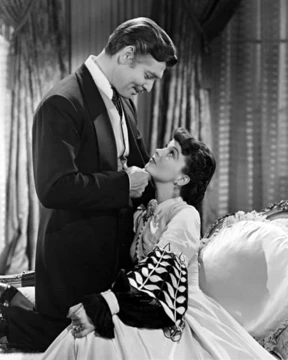
Norma Shearer
Canadian-American actress and early Academy Award winner.

via Wikipedia: Norma Shearer · see source
Edith Norma Shearer (August 11, 1902 – June 12, 1983) was a Canadian-American actress active on film from 1919 through 1942. She often played spunky, sexually liberated women and was the first five-time Academy Award acting nominee, receiving six nominations in total and winning Best Actress for The Divorcee (1930). Reviewer Mick LaSalle called her a feminist pioneer, or "the exemplar of sophisticated modern womanhood and ... the first American film actress to make it chic and acceptable to be single and not a virgin on screen."
- born
- August 11, 1902
- died
- June 12, 1983
- field
- Actress
- nationality
- Canadian-American
- known_for
- First five-time Academy Award acting nominee; Best Actress win for The Divorcee
Verified Timeline
Lore & Background
Shearer was of Scottish, English and Irish descent and spent her childhood in Montreal, where she was educated at Montreal High School for Girls and Westmount High School. Her early life was privileged due to her father's construction business, but the marriage was unhappy; her father suffered from manic depression and "moved like a shadow or a ghost around the house." After seeing a vaudeville show for her ninth birthday, she announced her intention to become an actress. She acknowledged her physical flaws—a "dumpy figure, with shoulders too broad, legs too sturdy, hands too blunt"—and a cast in her left eye, but described herself as "ferociously ambitious." Her childhood ended in 1918 when her father's company collapsed and her older sister Athole suffered her first serious mental breakdown. Forced into poverty, Shearer's determination strengthened. Her mother sold her daughter's piano and the family dog, and with a letter of introduction to Florenz Ziegfeld, the three Shearer women arrived in New York in January 1920. In New York, Ziegfeld turned Shearer down flat, reportedly calling her a "dog" and criticizing her crossed eyes and stubby legs. She persisted, landing extra work through a ruse at Universal Pictures. She later introduced herself to D. W. Griffith during a break in filming Way Down East, but he told her "Eyes no good" and that she would never make it. Undeterred, Shearer consulted Dr. William Bates about her strabismus and performed eye exercises for years. She also modeled, becoming "Miss Lotta Miles" for Kelly-Springfield Tires. A year after arriving in New York, she received fourth billing in The Stealers (1920). In January 1923, she received an offer from Louis B. Mayer Pictures and signed a contract for $250 a week. She moved to Hollywood with her mother, where she met Irving Thalberg. After a poor first screen test, cameraman Ernest Palmer supervised a successful second test, but director John M. Stahl still found her "unphotogenic." She was given a minor role in Pleasure Mad, with the understanding that "if I didn't deliver in this picture, I was through." After a confrontation with Louis B. Mayer, she delivered an emotional scene "lock, stock, and barrel, fur, fins and feathers," earning respect and six films in eight months from Thalberg.
Reader's Guide
Norma Shearer's significance lies in her role as a pioneering actress who challenged on-screen conventions. Reviewer Mick LaSalle called her a feminist pioneer, "the exemplar of sophisticated modern womanhood and ... the first American film actress to make it chic and acceptable to be single and not a virgin on screen." Shearer's career, spanning 1919 to 1942, included adaptations of Noël Coward, Eugene O'Neill, and William Shakespeare. She was the first performer to receive five Academy Award acting nominations, ultimately earning six nominations and one win for Best Actress for The Divorcee (1930). Her personal story—overcoming physical flaws, poverty, and early rejections through fierce ambition—underscores her legacy as a determined figure in early Hollywood. Her work helped redefine female roles in film, moving toward more independent and sexually liberated characters.
Did You Know?
- Shearer was the first five-time Academy Award acting nominee, receiving six nominations total and winning Best Actress for The Divorcee (1930).
- She was turned down by Florenz Ziegfeld, who reportedly called her a 'dog' and criticized her crossed eyes and stubby legs.
- She consulted Dr. William Bates for her strabismus and performed eye exercises for years to conceal the cast in her left eye.
- She became the model 'Miss Lotta Miles' for Kelly-Springfield Tires, depicted seated inside a tire rim on a billboard.
- Shearer's mother sold her piano and the family dog to fund their move to New York so Norma could try the picture business.
More in Actors From The Golden Age Of Hollywood 1-18
Spotted an error? Know more?
This is a living reference — every entry is fact-audited, and reader corrections feed straight into our audit queue. Suggest an edit · See this site's audit record