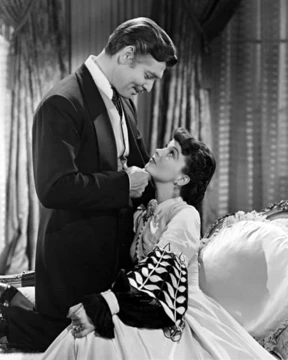
Kirk Douglas
American actor and filmmaker of the Golden Age.

via Wikipedia: Kirk Douglas · see source
Kirk Douglas (born Issur Danielovitch; December 9, 1916 – February 5, 2020) was an American actor and filmmaker. After an impoverished childhood, he made his film debut in The Strange Love of Martha Ivers (1946) with Barbara Stanwyck. Douglas soon developed into a leading box-office star throughout the 1950s, known for serious dramas, including westerns and war films. During his career, he appeared in more than 90 films and was known for his explosive acting style. He was named by the American Film Institute the 17th-greatest male star of Classic Hollywood cinema.
- known_for
- Explosive acting style, leading roles in Champion, Lust for Life, Spartacus, and
Verified Timeline
Lore & Background
Kirk Douglas was born Issur Danielovitch on December 9, 1916, in Amsterdam, New York, the only son among six children (he had five sisters) of Russian-Jewish immigrants from Chavusy, Mogilev Governorate (present-day Belarus). The family spoke Yiddish at home. He grew up in crippling poverty, the son of a ragman, and had an unhappy childhood with an alcoholic, physically abusive father. He first wanted to be an actor after reciting 'The Red Robin of Spring' by John Clare in kindergarten and later worked more than forty jobs before becoming an actor. He graduated from St. Lawrence University in 1939 and studied at the American Academy of Dramatic Arts, where classmate Lauren Bacall helped launch his film career by recommending him to producer Hal B. Wallis. Douglas enlisted in the United States Navy in 1942, serving as a communications officer in anti-submarine warfare aboard USS PC-1139, and was medically discharged in 1944 after injuries from a depth charge explosion. His film debut came in The Strange Love of Martha Ivers (1946), and he quickly rose to stardom with roles in Champion (1949), which earned his first Oscar nomination, and other early films such as Out of the Past (1947), Young Man with a Horn (1950), Ace in the Hole (1951), and Detective Story (1951). He received two more Oscar nominations for The Bad and the Beautiful (1952) and Lust for Life (1956), winning the Golden Globe for Best Actor in a Drama for the latter in 1957. In September 1949, he established Bryna Productions, which produced Paths of Glory (1957) and Spartacus (1960), collaborating with director Stanley Kubrick. He arguably helped break the Hollywood blacklist by having Dalton Trumbo write Spartacus with an official on-screen credit. Douglas continued acting into the 1980s, appearing in films such as Saturn 3 (1980), The Man from Snowy River (1982), and Tough Guys (1986) with Burt Lancaster. He received an Academy Honorary Award for Lifetime Achievement and the Presidential Medal of Freedom. After surviving a helicopter crash in 1991 and a stroke in 1996, he focused on renewing his spiritual and religious life, reconnecting to the Jewish religion. He lived with his second wife, producer Anne Buydens, until his death on February 5, 2020, at age 103.
Reader's Guide
Kirk Douglas's significance lies in his transformation from a poverty-stricken childhood to becoming one of the last surviving stars of Hollywood's Golden Age. His explosive acting style and versatility made him a leading box-office draw in the 1950s, with three Academy Award nominations for Best Actor. Beyond acting, he was a pioneering filmmaker: his production company Bryna Productions produced landmark films like Paths of Glory and Spartacus. Douglas arguably helped end the Hollywood blacklist by crediting screenwriter Dalton Trumbo on Spartacus. He also purchased the rights to One Flew Over the Cuckoo's Nest, later giving them to his son Michael, who turned it into an Oscar-winning film. His legacy includes an Academy Honorary Award, the Presidential Medal of Freedom, and a career spanning more than 90 films. As a centenarian, he represented a direct link to the classic era of cinema.
Did You Know?
- Kirk Douglas was born Issur Danielovitch, the only son among six children (he had five sisters), and his family spoke Yiddish at home.
- He first wanted to be an actor after reciting 'The Red Robin of Spring' by John Clare in kindergarten and receiving applause.
- He served as a communications officer in anti-submarine warfare aboard USS PC-1139 during World War II and was medically discharged in 1944 after a
From the Ragman's Wagon to the Stage
Issur Danielovitch entered the world on December 9, 1916, in Amsterdam, New York, the only boy among seven children of Russian-Jewish immigrants from Chavusy, Mogilev Governorate (present-day Belarus). The family spoke Yiddish at home. His father, once a horse trader in Russia, subsisted as a ragman, buying old rags, pieces of metal, and junk for pennies, nickels, and dimes in the poorest section of town. Young Izzy, as he was known, grew up under the shadow of an alcoholic, physically abusive father and a family mired in what he later called 'crippling poverty'. He sold snacks to mill workers, delivered newspapers, and cycled through more than forty jobs before becoming an actor. A single recitation of 'The Red Robin of Spring' by John Clare in kindergarten sparked a lifelong hunger for the stage. Unable to afford college tuition, he talked his way into the dean's office at St. Lawrence University, graduated in 1939, and eventually earned a special scholarship to the American Academy of Dramatic Arts in New York City. Before enlisting in the Navy during World War II, he altered his name from Izzy Demsky to Kirk Douglas.
The Explosive Leading Man
Douglas burst onto the silver screen in 1946 alongside Barbara Stanwyck in The Strange Love of Martha Ivers, and within a few years he had cemented himself as one of Hollywood's most bankable leading men. His screen persona was defined by a raw, explosive intensity that suited serious dramas, westerns, and war stories. Over his career he appeared in more than ninety films, and the American Film Institute would later rank him the seventeenth-greatest male star of Classic Hollywood. His early breakthrough came with Champion (1949), in which he portrayed a morally compromised boxing hero, earning his first Best Actor Oscar nomination. The early fifties delivered a remarkable string of performances: the noir Out of the Past (1947), the jazz-inflected Young Man with a Horn (1950) opposite Lauren Bacall and Doris Day, the journalist satire Ace in the Hole (1951), and Detective Story (1951), which drew a Golden Globe nomination. His second Academy Award nomination arrived for The Bad and the Beautiful (1952) beside Lana Turner, while his third came for embodying Vincent van Gogh in Lust for Life (1956), a role that also secured him the Golden Globe for Best Actor in a Drama. The adventure 20,000 Leagues Under the Sea (1954), co-starring James Mason, became a major box-office hit.
Producer, Champion, and the Kubrick Partnership
In September 1949, at just thirty-two, Douglas founded Bryna Productions, a move that transformed him from a hired star into a creative force behind the camera. The company's output was strikingly varied, but two titles stand as landmarks in cinema history: Paths of Glory (1957) and Spartacus (1960). Both were directed by the then relatively unknown Stanley Kubrick, and Douglas took the lead role in each. Spartacus carried a significance that extended beyond the screen; by securing an official on-screen writing credit for Dalton Trumbo, Douglas arguably helped crack open the Hollywood blacklist that had silenced numerous talented writers. Beyond those Kubrick collaborations, Douglas produced and starred in Lonely Are the Brave (1962) and Seven Days in May (1964), the latter a political thriller opposite Burt Lancaster, with whom he would go on to make seven films in total. In 1963 he also brought the play One Flew Over the Cuckoo's Nest to Broadway, purchased the story, and later passed it to his son Michael Douglas, who adapted it into an Oscar-winning film.
A Century of Resilience
Douglas's later years were marked by both extraordinary longevity and profound personal trials. He continued working well into the 1980s, appearing in Saturn 3 (1980), The Man from Snowy River (1982), and a 1986 reunion with Burt Lancaster in Tough Guys. On television, he appeared in the 1988 version of Inherit the Wind and in an episode of Touched by an Angel in 2000, earning a third Emmy nomination. He was honored with an Academy Honorary Award for Lifetime Achievement and the Presidential Medal of Freedom, and as a writer he published ten novels and memoirs. In 1991 he barely survived a helicopter crash, and a stroke in 1996 further altered the course of his life. In the years that followed, he turned inward, renewing his spiritual and religious life and reconnecting with the Jewish faith of his childhood. He lived his final years with his second wife, producer Anne Buydens, and passed away on February 5, 2020, at the age of one hundred and three. As one of the last surviving stars of the film industry's Golden Age, his death marked the closing of an era.
More in Actors From The Golden Age Of Hollywood 1-18
Spotted an error? Know more?
This is a living reference — every entry is fact-audited, and reader corrections feed straight into our audit queue. Suggest an edit · See this site's audit record